31 Saint James Ave.
Boston, MA 02116

Why Are My Eyes Watering and Burning in the Cold? Boston Winter Dry Eye Causes
Why Are My Eyes Watering and Burning in the Cold? Boston Winter Dry Eye Causes
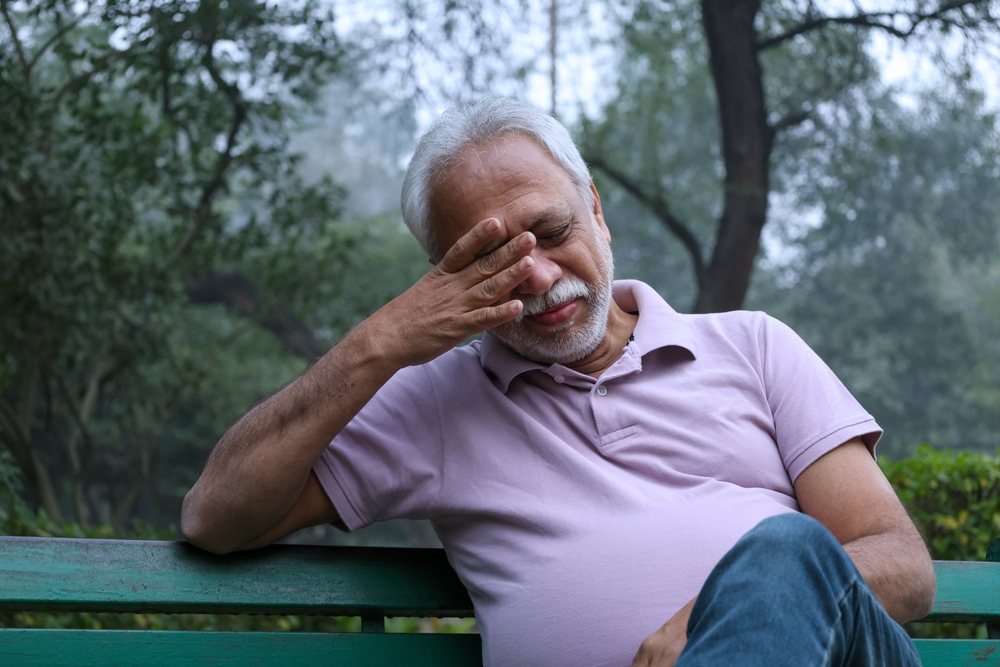
A cold walk through Boston can leave your eyes streaming with tears, yet somehow still burning. That combination may be a sign of dry eye. At Back Bay Eye Care, we help patients understand why winter weather can disrupt their tears and what may bring relief.
Why Dry Eyes Can Water
Dry eye does not always mean your eyes stop producing tears. It can also develop when tears evaporate too quickly or do not keep the eye's surface evenly lubricated.
When that surface becomes irritated, your eyes may respond by producing extra watery tears. This reflex tearing can spill over your eyelids without correcting the underlying tear film problem. You may notice watering along with stinging, grittiness, or vision that briefly clears after blinking.
How Winter Makes Symptoms Worse
Cold outdoor air often contains less moisture, and wind can speed up tear evaporation. Even a short walk to the T or an afternoon of errands can become uncomfortable when your tear film is already unstable.
Going indoors may not solve the problem. Heated homes, offices, and cars often have low humidity, while air blowing toward your face can increase dryness. For many Boston patients, repeated exposure to outdoor wind and dry indoor air makes winter eye irritation more noticeable.
Other Factors Behind Burning Eyes
Winter weather may aggravate an existing problem with the meibomian glands along your eyelids. These glands supply oils that help slow tear evaporation. When they become blocked or do not function well, tears can evaporate too quickly.
Long periods of screen use can also contribute because we tend to blink less while concentrating. Contact lens wear and certain medications, including some antihistamines, may add to dryness. We review these factors during an exam to understand what is affecting your comfort.
Ways to Ease Winter Dry Eye
We often recommend a few practical adjustments based on your symptoms:
Wear wraparound sunglasses outdoors to help shield your eyes from wind.
Aim car heaters and indoor vents away from your face.
Use a humidifier to add moisture to dry indoor air, and clean it as directed.
Take regular screen breaks and make a conscious effort to blink fully.
Ask us which lubricating eye drops fit your needs, especially if you need them frequently.
If contact lenses become uncomfortable, switch to glasses and contact our team for guidance. Avoid assuming that redness-relief drops will address the cause of burning.
When to Schedule an Eye Exam
Watering is not always caused by dry eye. Allergies, eyelid irritation, and tear drainage problems can also cause excessive tearing. If symptoms keep returning, persist indoors, or interfere with reading and daily activities, we recommend an evaluation.
At our Boston office, we can assess your eyelids, tear film, and eye surface, then recommend care based on the cause. Treatment may include changes to your daily routine, lubricating drops, or additional dry eye care. Significant pain, sudden vision changes, or marked redness require prompt attention.
If watering and burning eyes are making winter uncomfortable, contact Back Bay Eye Care in Boston, MA, by calling (617) 936-4027 to schedule an appointment. Let us help you find a plan for more comfortable eyes this season.

Boston
- Mon 8:00AM – 6:00PM
- Tue 8:00AM – 6:00PM
- Wed 8:00AM – 6:00PM
- Thu 8:00AM – 6:00PM
- Fri 8:00AM – 6:00PM
- Sat Closed
- Sun Closed
Cobb Corner
- Mon 9:00 AM – 5:30 PM
- Tue 9:00 AM – 5:30 PM
- Wed 10:00 AM – 6:30 PM
- Thu 9:00 AM – 5:30 PM
- Fri 9:00 AM – 5:00 PM
- Sat Closed
- Sun Closed
Weymouth
- Mon 8:30 AM – 5:00 PM
- Tue 10:00 AM – 6:30 PM
- Wed 10:00 AM – 6:30 PM
- Thu 8:30 AM – 5:00 PM
- Fri 8:30 AM – 5:00 PM
- Sat Closed
- Sun Closed
Natick
- Mon 9:00 AM - 5:00 PM
- Tue 9:00 AM - 6:00 PM
- Wed 9:00 AM - 5:00 PM
- Thu 10:00 AM - 7:00 PM
- Fri 9:00 AM - 5:00 PM
- Sat By appointment
- Sun By appointment
© 2026 Back Bay Eye Care. All rights Reserved. Accessibility Statement - Privacy Policy - Sitemap
Managed and Designed By
